
The Economic Justice Research Lab’s first project seeks to recover and preserve the activist cultures of two broad categories of essential laborers in the city: 1) tourism and hospitality, including hotel, restaurant, and other services such as musicians, cultural workers, and related construction and day laborers that are integral to the city’s economic base in tourism; and 2) healthcare workers. Both groups are making headlines in recent years as their unions have achieved unprecedented victories.
This project uses oral history and kindred methods to publicly document the history and present of essential workers’ own collective organizing in New Orleans, a city in the crosshairs of climate change and suffering extreme inequities further exacerbated by the COVID-19 pandemic. Our team of academic researchers partners with representatives from local unions, workers’ centers, non-profits, and community-based storytellers and archives to record and preserve new oral history interviews with tourism industry and healthcare workers who have been or are current advocates in the struggle for higher wages, stable employment, fair treatment, and unionization in their industries. Our pool of narrators includes rank and file workers, union staff, and community organizers.
We seek to learn directly from the rank and file leaders who not only advocated for better conditions on the job but also rallied their co-workers or brought neighbors and other activists into the fight with them. We want to understand the cultures of their workplaces, the solidarities they forged, the visions they expounded, and the successes and failures of their various campaigns, strategies, and tactics. We ask broad, open-ended questions about their childhoods and early lives, their transitions into the workforce, and the ways in which they got involved in collective organizing. Their stories shed light on not only their personal experiences but the broader experiences of the many workers they sought to bring together and represented as union and community organizers.
This project links leading academic researchers with community partners, both of whom play a central role in directing and executing the project. Our five-member Advisory Board includes allied researchers and representatives from relevant unions and membership-based working-class organizations. Board members work collaboratively with us to identify and recruit interviewees and are invited to join in conducting interviews and interpreting and presenting our findings.
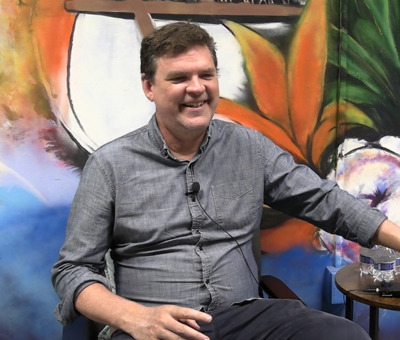
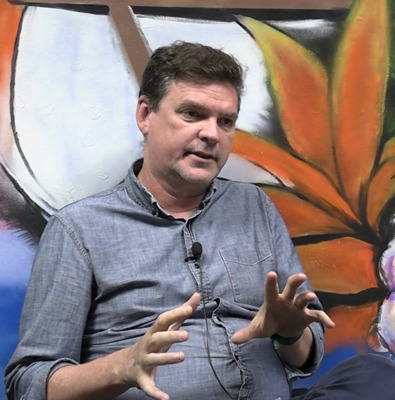
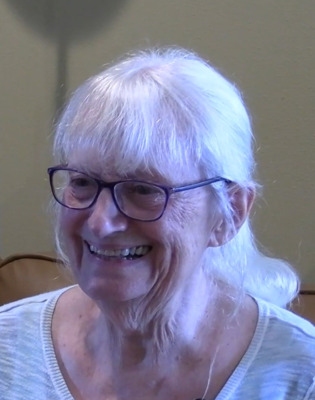
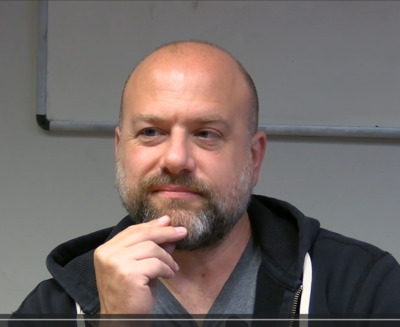
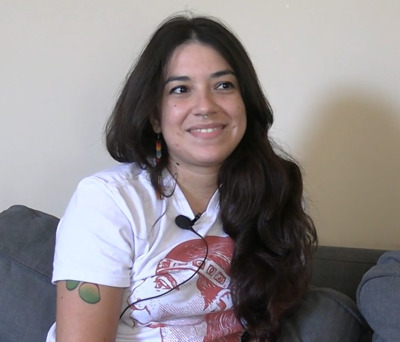
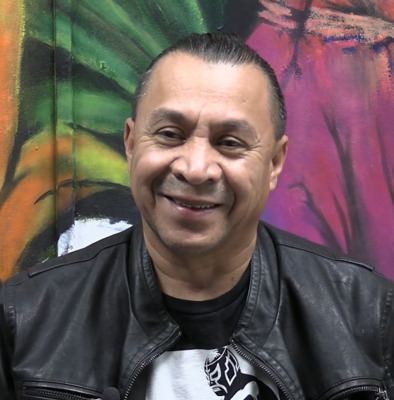
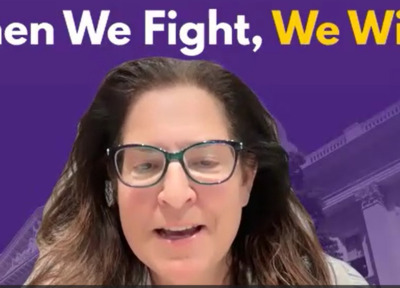
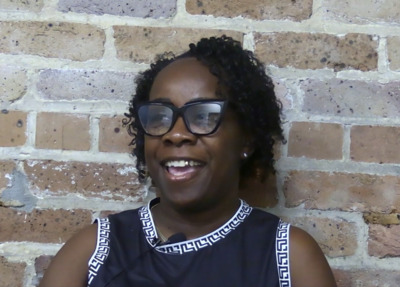
-
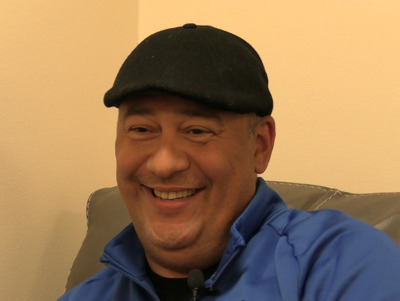
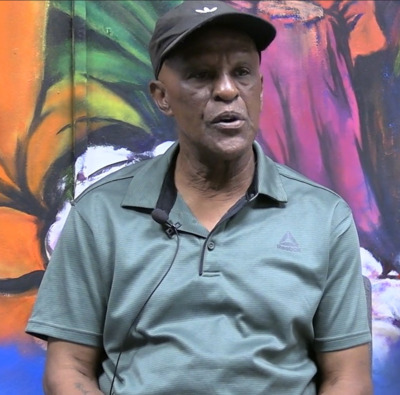
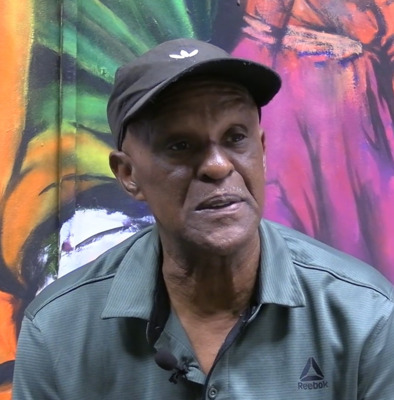
Oral History Interview with Alfred Marshall (Part 2)
Alfred Marshall and Max Krochmal
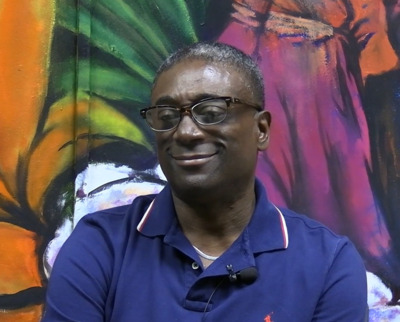
Alfred Marshall was born in New Orleans on March 12, 1959, and grew up in the Calliope housing projects (later B.W. Cooper, now Marrero Commons) in Central City. His mother was a cook and his father was a businessman who ran a fruit truck and a barbershop. As a young man, he was an athlete. His life was profoundly shaped by early and repeated encounters with the criminal justice system, experiences with systemic racism, the impact of the "War on Drugs" on his community, and the devastation of Hurricane Katrina. Through his post-Katrina activism with organizations like STAND and the Worker's Center for Racial Justice, he developed expertise in community organizing, labor rights, and building Black-Brown solidarity.
-
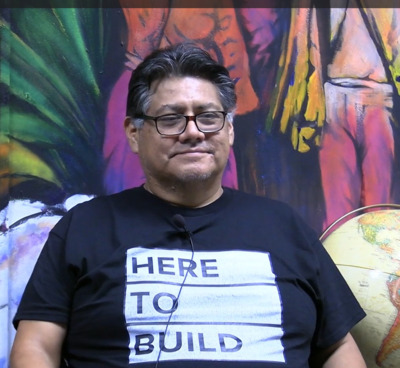
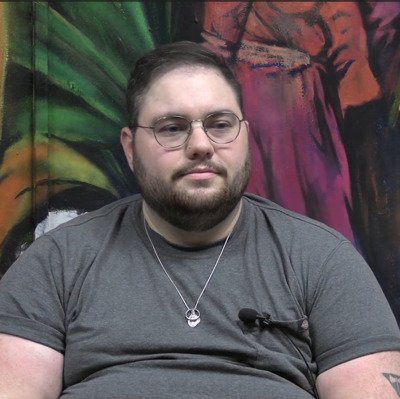
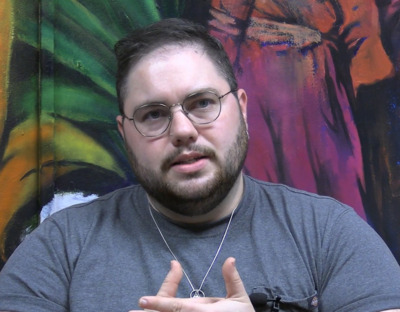
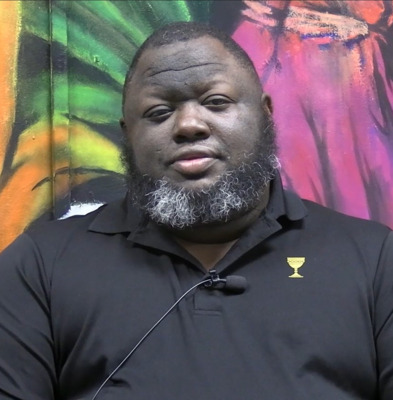
Oral History Interview with Shaun Mills
Shaun Mills and Rafael Delgadillo
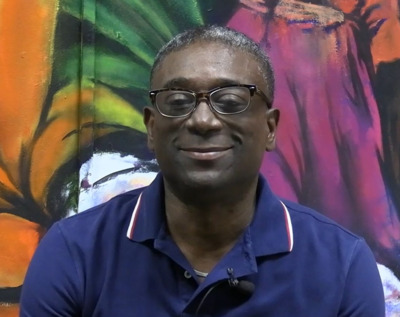
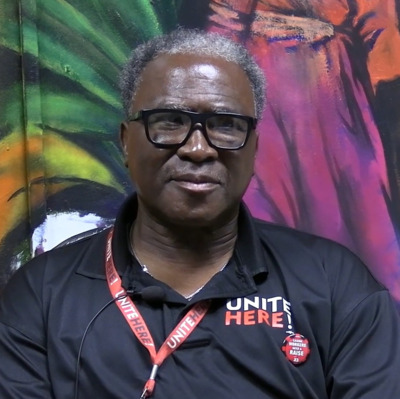
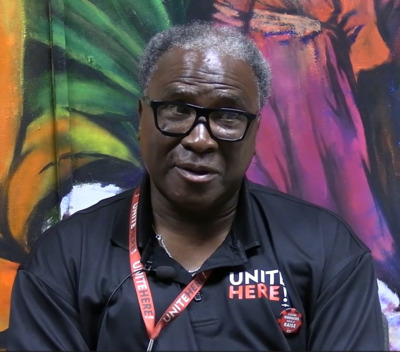
Sean Mills is a 46-year-old organizer with Unite Here, a labor union. He was born and raised in the Uptown area of New Orleans, attending Alcee Fortier High School. Mills has worked in the service industry, including as a cook at a private golf club and later at the Harris Casino. His experiences with workplace issues like nepotism and lack of advancement opportunities led him to get involved in the unionization effort at Harris Casino, which he helped lead to a successful contract negotiation.
-
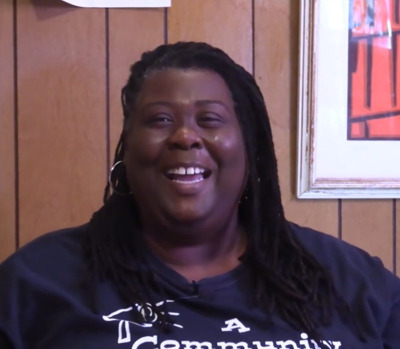
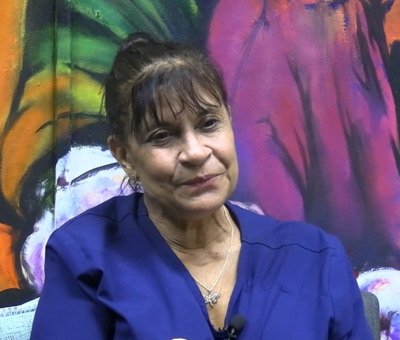
Oral History Interview with Terry Mogilles
Terry Mogilles and Max Krochmal
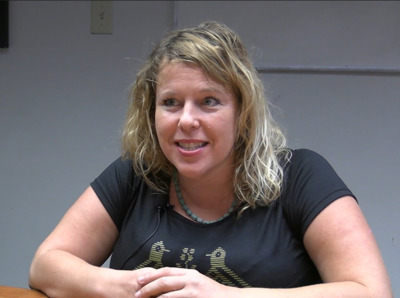
Terry Mogilles is a 48-year veteran registered nurse in New Orleans. She grew up in the Lafitte Housing Project, attended St. Joseph High School, and received her nursing education at the Charity Hospital School of Nursing. She has worked in a variety of nursing roles, including community-based hospitals, ICU, dialysis, and mental health. For 25 years, she and her husband operated a community mental health center. In 2023, she joined UMC hospital and became actively involved in organizing the nurses' union there.
-

Oral History Interview with Helene O'Brien
Helene O'Brien and Rafael Delgadillo
Helene O'Brien was born in 1963 in the Bronx, New York. She grew up in a progressive, union-oriented environment and was exposed to the Catholic Worker movement and liberation theology from a young age. She began her career as a community organizer with ACORN in New York City in the late 1980s, eventually becoming the national field director for the organization. After Hurricane Katrina, she moved to New Orleans to help lead ACORN's efforts there, and later transitioned to working with SEIU in Louisiana and Florida, where she currently serves as the Vice President for Local 32 BJ of SEIU.
-
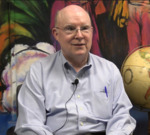
Oral History Interview with Bill Quigley
Bill Quigley and Max Krochmal
Bill Quigley is a social justice lawyer and retired law professor. Born in Chicago in 1949, he came to New Orleans in 1971 to study at a Catholic seminary. His interest in social justice led him to leave the seminary and work as an unlicensed social worker in the St. Thomas housing development. He graduated from Loyola Law School in 1977. His career included working for legal services, serving as an assistant city attorney under Mayor Dutch Morial, and spending 30 years as a law professor at Loyola, where he headed the clinical programs and the Poverty Law Center. He served as general counsel for the ACLU of Louisiana for 15 years and was involved in numerous high-profile cases and community organizing campaigns focused on poverty, housing, voting rights, and racial justice.
-
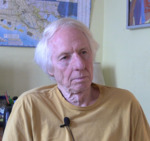
Oral History Interview with Wade Rathke
Wade Rathke and Max Krochmal
Wade Rathke is a long-time community and labor organizer. He grew up in New Orleans and was involved in civil rights and social justice activism from a young age. He helped found the community organization ACORN in 1970 and later established Local 100, an independent labor union, to organize workers in various industries. Rathke has been a central figure in progressive organizing in the South for over 50 years.
-
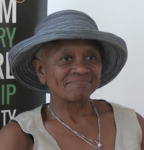
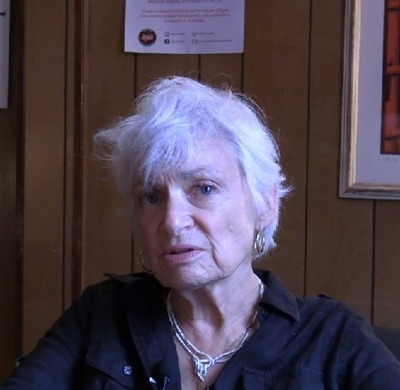
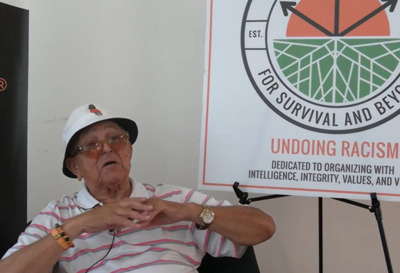
Oral History Interview with Kimberley Richards
Kimberley Richards and Max Krochmal
Dr. Kimberly Richards is an educator, community organizer, and core trainer with The People's Institute for Survival and Beyond. She held a doctorate from the University of Pittsburgh, where her research pioneered methods of community-led research and evaluation with residents of the St. Thomas housing development in New Orleans. Raised by activist parents, her entire life was enmeshed in struggles for social and economic justice. Her professional experience included working as a teacher, a reading specialist, and the executive director of an education fund in cities like Atlanta and Washington D.C., before she became a central figure in New Orleans' anti-racism and community organizing landscape, particularly after Hurricane Katrina.
-
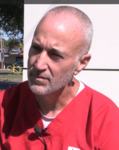
Oral History Interview with Mike Robertshaw (Part 1)
Mike Robertshaw and Max Krochmal
Mike Robertshaw was a nurse at University Medical Center who was terminated approximately four months prior to the interview for his efforts in organizing a union. Before his career in nursing, he had a diverse professional background. He held a degree in Fisheries and Entomology from Virginia Tech and worked for the US Forest Service. He also worked as a carpenter and later became a professional organizer. In this capacity, he worked on issue-based campaigns for clients like the Human Rights Campaign (HRC) and on electoral campaigns for MoveOn.org, including the 2008 Obama presidential campaign.
-
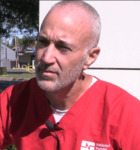
Oral History Interview with Mike Robertshaw (Part 3)
Mike Robertshaw and Max Krochmal
Mike Robertshaw was a nurse at University Medical Center who was terminated approximately four months prior to the interview for his efforts in organizing a union. Before his career in nursing, he had a diverse professional background. He held a degree in Fisheries and Entomology from Virginia Tech and worked for the US Forest Service. He also worked as a carpenter and later became a professional organizer. In this capacity, he worked on issue-based campaigns for clients like the Human Rights Campaign (HRC) and on electoral campaigns for MoveOn.org, including the 2008 Obama presidential campaign.
-
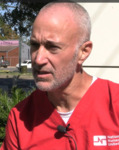
Oral History with Mike Robertshaw (Part 2)
Mike Robertshaw and Max Krochmal
Mike Robertshaw was a nurse at University Medical Center who was terminated approximately four months prior to the interview for his efforts in organizing a union. Before his career in nursing, he had a diverse professional background. He held a degree in Fisheries and Entomology from Virginia Tech and worked for the US Forest Service. He also worked as a carpenter and later became a professional organizer. In this capacity, he worked on issue-based campaigns for clients like the Human Rights Campaign (HRC) and on electoral campaigns for MoveOn.org, including the 2008 Obama presidential campaign.
-
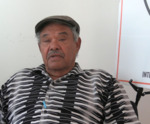
Oral History Interview with Lloyd Robinson
Lloyd Robinson Jr. and Rafael Delgadillo
Mr. Lloyd Robinson Jr. was born in New Orleans, Louisiana, on June 13, 1952. He was raised in a working-class family with a background in skilled trades. He experienced the integration of public schools at Abramson High School in the late 1960s. After briefly studying at Xavier University, he entered an apprenticeship program and became a pipefitter with Local 60, a career he pursued for many years, even working internationally in Algeria. Mr. Robinson was a key figure in the founding of the People's Institute for Survival and Beyond, a nationally recognized anti-racism organization, and served as the president of its board. His expertise lies at the intersection of labor unionism, grassroots community organizing, and anti-racism analysis.
-

Oral History Interview with Edith Romero
Edith Romero and Max Krochmal
Edith Romero is an organizer, writer, researcher, and interpreter originally from Honduras. She came to the United States in 2011 on a scholarship to the University of New Orleans (UNO). Her background was rooted in direct experience with the consequences of US corporate and political intervention in Central America. Her professional and activist work in New Orleans focused on the intersection of immigrant rights, reproductive justice, labor organizing, and anti-surveillance technology. She held master's degrees from both UNO and Tulane University.
-
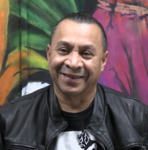
Oral History Interview with Alfredo Salazar
Alfredo Salazar and Rafael Delgadillo
Alfredo Salazar is a community organizer with Unión Migrante and a construction worker specializing in tile installation who was born in Mexico City. He began working at the age of nine to support his family. He immigrated to the United States in 1996 and worked in various states before settling in the New Orleans area. His personal experiences as an undocumented immigrant, a victim of domestic abuse, and a community member witnessing systemic injustice informed his activism. He became a key organizer and co-founder of Unión Migrante, a grassroots, volunteer-led organization dedicated to empowering the undocumented community in Louisiana.
-
Oral History Interview with Nina Schulman
Nina Schulman and Rafael Delgadillo
Nina Schulman grew up in an upper-middle class Jewish family in New York City where unions were a normal part of the culture and community. She attended Yale University, where she became involved in supporting a union organizing drive by clerical and technical workers. After graduating, she and her husband Hal decided to pursue careers in the labor movement, with Hal taking a job as an organizer with Local 100 in New Orleans and Nina initially working as a communications director before transitioning to organizing work herself.
-

Oral History Interview with Kenya Slaughter
Kenya Slaughter and Rafael Delgadillo
Ken Slaughter is an organizer with Step Up Louisiana. She was born and raised in Oakland, California in 1982 and later moved to Louisiana in 2011, settling in Alexandria. Prior to her organizing work, she had various jobs, including working at Radio Shack and a hair store, before starting at Dollar General in 2018.
-
Oral History Interview with Rachel Taber
Rachel Taber and Rafael Delgadillo
Rachel Taber is an experienced organizer whose activism was rooted in her college-level engagement with labor studies and global justice issues. Her professional background included international campaign work with United Students Against Sweatshops, local organizing with the United Teachers of New Orleans, and several years as a lead organizer for the immigrant rights group Congreso de Jornaleros, a project of the New Orleans Worker Center for Racial Justice (NOWCRJ). Her expertise was in grassroots campaign strategy, direct action, and building democratic, member-led organizational structures, which she applied as a co-founder of Union Migrante.
-
Oral History Interview with Jose Torres Tama
Jose Torres Tama and Rafael Delgadillo
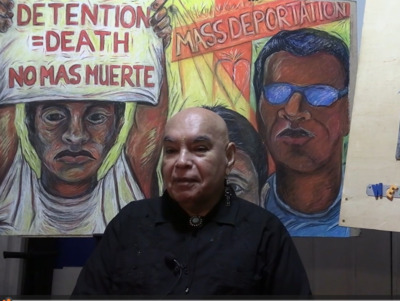
Jose Torres Tama is an Ecuadorian-American artist born in 1961 who had lived in New Orleans for approximately 40 years at the time of the interview. He was a multi-disciplinary artist whose work encompassed visual arts (painting, drawing), performance art, and writing (poetry, journalism). He studied art and creative writing in New York and New Jersey before moving to New Orleans. His work was deeply political and focused on social justice, drawing heavily from his identity as a Latino immigrant and his extensive documentation of the post-Katrina immigrant labor community in New Orleans.
-
Oral History Interview with Viola Washington
Viola Washington and Max Krochmal
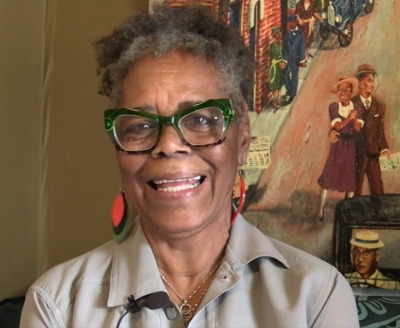
Ms. Viola Washington is a veteran community organizer and activist based in New Orleans. Born in Tunica, Mississippi, in 1948 and raised in Memphis, Tennessee, her activism began as a teenager when she participated in marches with Dr. Martin Luther King Jr. during the sanitation strike. After moving to New Orleans in 1971, she became a formidable organizer focused on housing rights, welfare rights, and anti-racism education. She was a leader in the Treme community organization, the Welfare Rights Organization, and the People's Institute for Survival and Beyond. She founded the "Still I Rise" program and was a central figure in grassroots efforts to secure a just recovery for residents after Hurricane Katrina.
-

Oral History Interview with Greg Wilson (Part 1)
Greg Wilson and Rafael Delgadillo
Greg Wilson is a native of New Orleans, born in 1971 and raised in the Algiers neighborhood. He comes from a family with a history of community activism, with his grandfather and father both involved in local politics and organizing. Wilson was active in various student organizations in high school and college, which laid the groundwork for his later career in labor and community organizing.
-

Oral History Interview with Greg Wilson (Part 2)
Greg Wilson and Rafael Delgadillo
Greg Wilson is a native of New Orleans, born in 1971 and raised in the Algiers neighborhood. He comes from a family with a history of community activism, with his grandfather and father both involved in local politics and organizing. Wilson was active in various student organizations in high school and college, which laid the groundwork for his later career in labor and community organizing.
-
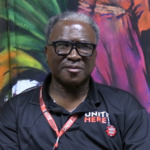
Oral History Interview with Willie Woods (Part 1)
Willie Woods and Max Krochmal
Willie Woods Jr. is a lifelong resident of New Orleans, born in 1959 and raised in the Treme neighborhood. His father was a Teamster truck driver, and his mother worked in the hospitality industry. Mr. Woods spent his entire career as a banquet server in New Orleans, working at the Convention Center, the Fairmont Hotel, the Monteleone, and the Hilton. Through his decades of work, he gained extensive first-hand experience in both union and non-union environments, which culminated in his role as a worker-organizer in the campaign to unionize the Hilton.
-
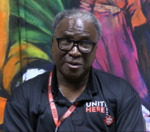
Oral History Interview with Willie Woods (Part 2)
Willie Woods and Max Krochmal
Willie Woods Jr. is a lifelong resident of New Orleans, born in 1959 and raised in the Treme neighborhood. His father was a Teamster truck driver, and his mother worked in the hospitality industry. Mr. Woods spent his entire career as a banquet server in New Orleans, working at the Convention Center, the Fairmont Hotel, the Monteleone, and the Hilton. Through his decades of work, he gained extensive first-hand experience in both union and non-union environments, which culminated in his role as a worker-organizer in the campaign to unionize the Hilton.
-
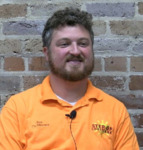
Oral History Interview with Ben Zucker (Part 1)
Ben Zucker and Max Krochmal
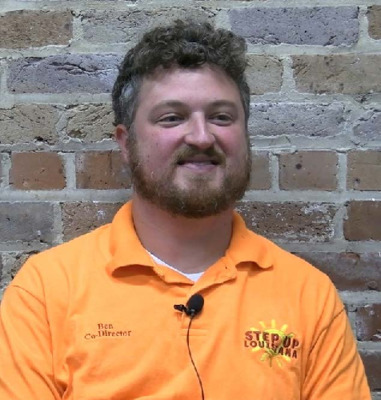
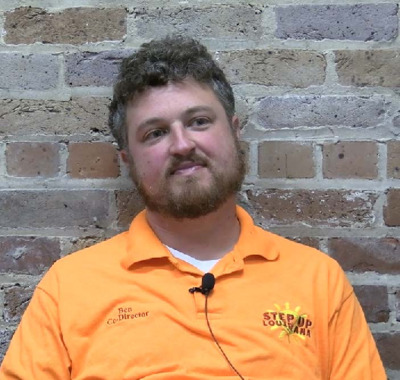
Ben Zucker is the co-director of Step Up Louisiana, an economic justice organization based in New Orleans. He grew up in a family of union organizers, with both of his parents involved in labor activism. Zucker was exposed to this work from a young age and continued his involvement in social justice movements as a student at Tulane University, where he supported campus workers' efforts to unionize. After graduating, Zucker worked on the Fight for 15 campaign, organizing fast food workers across the country, before returning to New Orleans to co-found Step Up Louisiana.
-
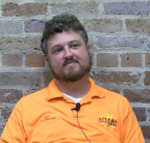
Oral History Interview with Ben Zucker (Part 2)
Ben Zucker and Max Krochmal
Ben Zucker is the co-director of Step Up Louisiana, an economic justice organization based in New Orleans. He grew up in a family of union organizers, with both of his parents involved in labor activism. Zucker was exposed to this work from a young age and continued his involvement in social justice movements as a student at Tulane University, where he supported campus workers' efforts to unionize. After graduating, Zucker worked on the Fight for 15 campaign, organizing fast food workers across the country, before returning to New Orleans to co-found Step Up Louisiana.